

Boot Mobility Scooter
Boot mobility scooters are a great option for those who find it hard to walk for long distances. They are easily disassembled and can fit into the trunk of your car.
When choosing a mobility device, it is essential to think about a few things such as ease of use, speed and range. Find out more about the models and choose the one that's right for you!
Comfort
The comfort of your mobility scooter could make the difference. It's essential to choose a model that offers the most comfortable ride without sacrificing durability or safety.
Boot mobility scooters are one of the most comfortable mobility scooters. They can be easily removed and put into the trunk of your vehicle. This type of mobility scooter is a great option for those who need to travel frequently or for social outings, as it can fit well into tight spaces.
A mobility scooter that is fitted with a boot can travel up to 10 miles on one charge and reach the speed of 4mph at its highest. The range can vary based on the user's weight, terrain and battery condition.
Most boot mobility scooters are airline approved, so they should be fine for flights. But, it's important to check the airline's policies prior to arranging to fly.
Another key aspect that affects a scooter's comfort is its weight. This can make a massive difference to the scooter's portability, speed and maximum climbing angle.
The K Lite Comfort is a good example of a small class 2 boot scooter that can be cut into four pieces for simple transportation and storage. The seat height can be adjusted for a more comfortable ride and comes with an all-round suspension.
It also comes with an ergonomic tiller handle with a delta-shape, soft roll puncture proof wheels and the horn and ignition switches are waterproof. The maximum weight of a person can be 21 stone. The batteries can also be upgraded to a lithium version, which will increase the battery life. This makes this an efficient and comfortable mobility device.
Its stylish glossy black or metallic mint colors and premium materials make it a favorite option for medical and non-medical users. It's also available under the Motability plan, which allows those with higher PIP rates to use some of their allowances for a powered wheelchair or scooter.
Speed
The speed of a mobility scooter mounted on a boot is influenced by the model and battery capacity. Smaller models may not be able to travel long distances and require to be recharged regularly, while larger models can cover large distances on a single charge.
There are several simple ways to boost the speed of your mobility scooter. Upgrade the battery. By upgrading your battery from low voltage to a high-voltage version you can boost the performance of your scooter as well as its speed.
Another method to increase your mobility scooter's speed is to upgrade the drive belt. A worn belt could reduce the power of the motor, thus reducing its speed.
You can also install a scooter speed limiter. The device will restrict the speed of your scooter to the maximum speed allowed for some countries. This helps ensure safety for pedestrians and avoid accidents.
This method is only useful when your scooter is in a flat, dry area. If you are using your mobility scooter on a uneven or rocky terrain, it may struggle to attain its maximum elevation recommended by the manufacturer.
The condition of your battery's age can also affect the performance of your battery. Batteries degrade over time and need to be replaced frequently.
Try driving your scooter over different surfaces to get a sense of its speed. It is possible for grass and inclines to drain your batteries quicker than flat, smooth surfaces, and heavier users will require more energy to carry their weight.
If you're looking for a scooter that will take you further, consider a middle-range model. collapsible scooters for disabled will be more comfortable and offer a greater range of speeds than the smaller boot scooters.
Range
You may want to consider using a mobility scooter in case you have had issues with mobility or have been diagnosed with a medical issue which limits your ability to move for long distances. These devices can make a big difference to your daily routine, whether it's shopping, making appointments or visiting with friends.
There are several different types of mobility devices, each with their own distinct advantages. Selecting the best one for you is based on several factors that include your needs and your budget.
A mobility scooter you are using for short trips could be less heavy than one you need for longer journeys. Also, a model you use for your commute to and from work may be less expensive than one that you use for weekends for short local trips.
The range of a scooter is determined by a variety of factors such as the battery capacity, the weight of the rider and speed. In general, scooters can travel between 10 to 30 miles on just one charge.
The time it takes to charge a battery is an additional important aspect. It varies greatly based on the type of battery used and how fast it's charged. If you're concerned about the distance your scooter will be able to cover you, make sure to check the specifications from the manufacturer or the user guide.
Boot models are a good option for those looking for a reliable and high-quality mobility scooter. They are lightweight and foldable, which makes them ideal for trips around the neighborhood or trips out of town. Some models come with brakes that regeneratively work to ensure safety on slopes. They also come with air-filled tyres to provide extra comfort, but they are likely to wear out more quickly than tyres that are solid.
Design
Mobility scooters with Boot can be easily folded flat or removed and stored in your vehicle. These scooters can be easily transported in your vehicle, on public transportation or even on an airplane.
The capability to fold and disassemble these devices is a key design element that can decrease the weight. Some of these devices can fold at the touch of one button, reducing the amount of work required.
Some models are able to be broken into smaller pieces that can be put in your trunk or bag for a quick trip. This design makes it easier to lift them out of a trunk compared to other mobility devices.
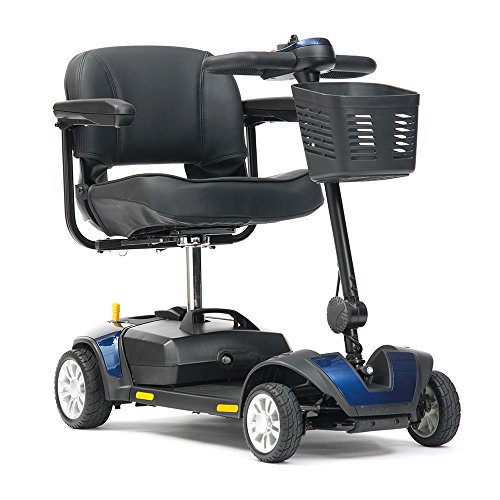
These scooters can be utilized outdoors and indoors. Some models are specifically designed for use on pavements, whereas others are made for use on trails that are paved or roads.
These scooters can travel faster and more comfortably than the Class 2 scooter. They weigh less than a Class 3 scooter. They can also have a bigger battery than portable scooters, so they are able to offer a greater range and more power when required.
Picking the right mobility gadget isn't easy however it can make a the world of difference to your quality of life. When buying a mobility device it is crucial to consider your budget and requirements.
Safety
Mobility scooters allow those with mobility issues the ability to travel around their area independently. They typically come with steering handles along with a foot rest and an ergonomic seat with three or four wheels.
A mobility scooter with a boot is a well-liked option because of its portability, ease of use and comfort. They can be a source for safety concerns for certain users.
It is important to choose a scooter that is compatible with your requirements and ability as well as the location you intend to use it. It is also essential to consider the device's dimensions the weight, size, and capacity.
Consider if you need an equipment with a greater level of ground clearance. This will aid you in rough terrain. This is especially crucial if your disability restricts your ability to travel for long distances or if you're susceptible to falling from the heights.
There are a variety of models and specifications of mobility scooters on the market, so it's a great idea to conduct some research before making your choice. This can help you find the ideal device for your needs and make the purchase more enjoyable.
It is vital to adhere to the traffic rules and regulations like any other vehicle. This means riding on pavements or public roads. This includes keeping to the side of the road, and using the headlights as well as a rear light when riding in dark conditions.
For instance, you should always give the right of way to pedestrians by slowing down and giving them an audible signal. You should also keep to the sidewalks and cycling paths where you are more likely to be seen to other road users.